History
The Jets are more than a footy team, we’re a community, a story of heart and hard work, and living proof that legends never die.
FLYING HIGH SINCE 1908
Newtown Rugby League Football Club was formed on January 8, 1908, at a public meeting in the Newtown Town Hall.
From the very beginning, Newtown became noted for its gritty, never-say-die spirit, and the ability to make the best of limited financial resources. Located in a rock-solid working class district, Newtown was seen as the definitive battlers' team, and one associated with the best fighting qualities inherent in the Australian character.
Today, Henson Park is still our heartland, packed with 8,972 fans every weekend (if you know, you know).
the Early Years 1908-1930
1908 – Newtown RLFC was founded on 8 January at Newtown Town Hall, becoming one of nine NSWRL foundation clubs. Nicknamed the “Bluebags” after common blue laundry dye bags, they played in the inaugural premiership season where Newtown’s Jack Scott scored the first try in NSWRL history.
1910 – Charles “Boxer” Russell kicked the goal that ensured Newtown’s first premiership win in 1910, and he also coached Newtown’s 1933 premiership-winning team.
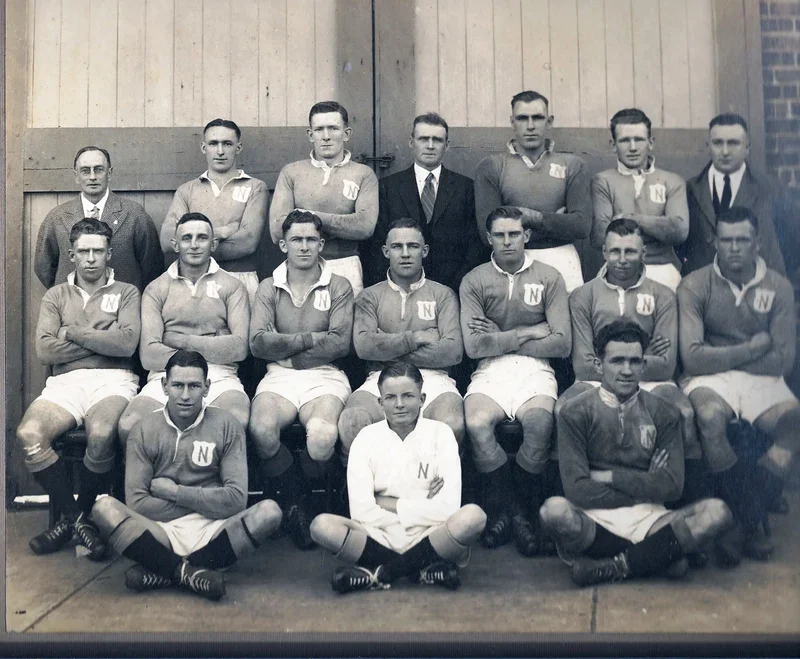
1910 – Newtown’s first grade premiership-winning team of 1910 was definitely a “team of all the talents.” No less than seven members of this team went on to win selection in the 1911-12 Australian Kangaroos touring team that won the Ashes in England. Bill Noble (sitting in the middle of the front row) captained the side although Charles “Boxer” Russell (in the same row as Noble, two in from the left) captained the team in the final competition round. The 1910 premiership was decided on a “first past the post” basis in those early years of the NSW Rugby League.
1910-1920 – Billy Farnsworth, one of three brothers, switched from the Wallabies in 1909 and was a key figure in the success of the 1911-1912 Kangaroo side. His brothers, Vivian and Roy, followed him into the Newtown ranks.
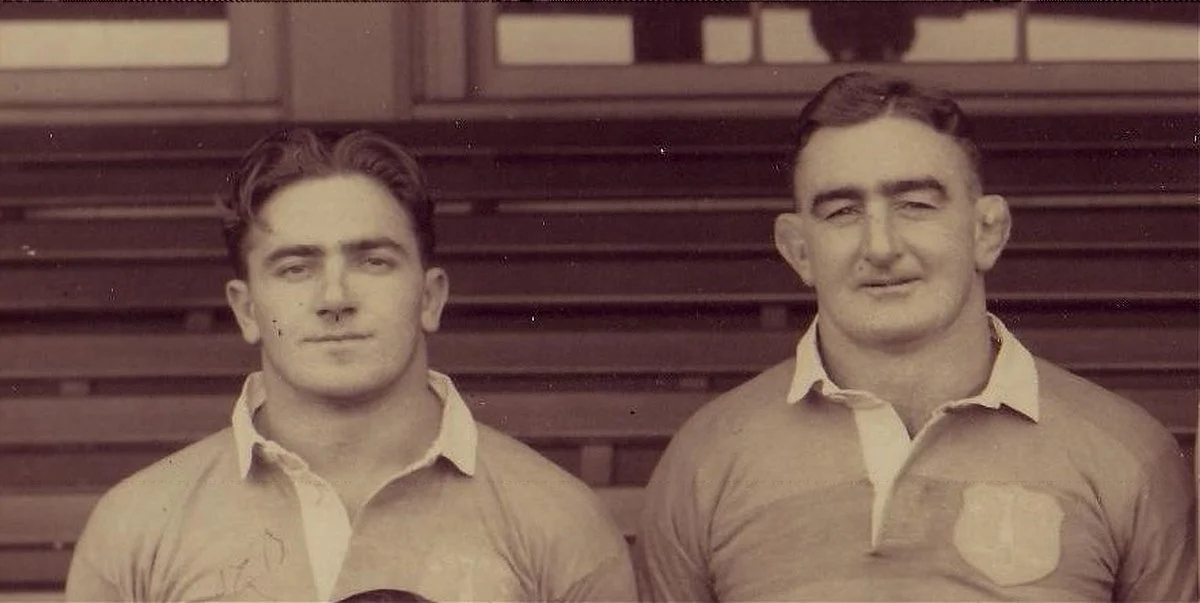
1910-1920 – Dick Townsend and Felix Ryan. Felix Ryan joined Newtown in 1913 and played with the Bluebags over the next 11 seasons, every one in the top grade. Ryan played for Australia against New Zealand in 1919 and against Great Britain in 1921. Dick Townsend was one of Newtown’s pioneers in 1908, appearing in 3rd grade for the club’s first ever fixture. He made his first grade debut in 1913 and went on to play 127 matches in total, many of them as captain. Like Ryan, he was a Kangaroo in 1921.
Building a Tradition – the 30’s & 40’s
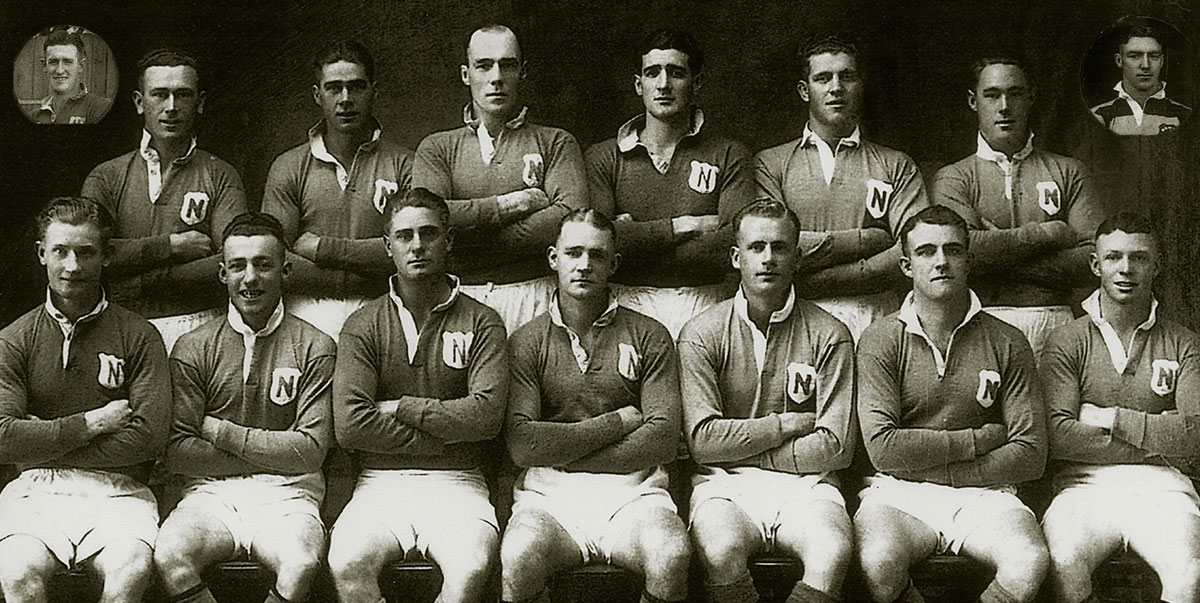
1933 – Newtown’s first grade premiership-winning team was coached by the multi-talented Charles “Boxer” Russell. “Boxer” Russell was named as a winger in Newtown’s Team of the Century at the club’s Centenary Dinner in July 2008. Newtown defeated St George 18-5 in the premiership final of 1933.
1937 – Newtown’s RLFC first grade City Cup winning team. Frank Hyde was a stylish and scheming centre-threequarter with the Bluebags from 1934 to 1937 before moving on to Balmain and North Sydney.
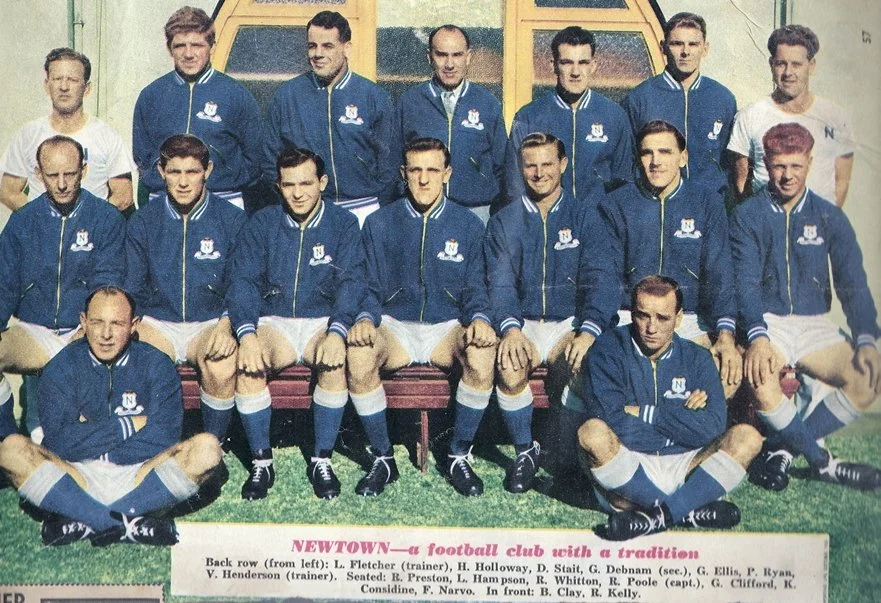
1940 – Champion second-rower Herb Narvo gave Newtown great service in the late 1930’s and early 1940’s, and also served with the RAAF in World War II.
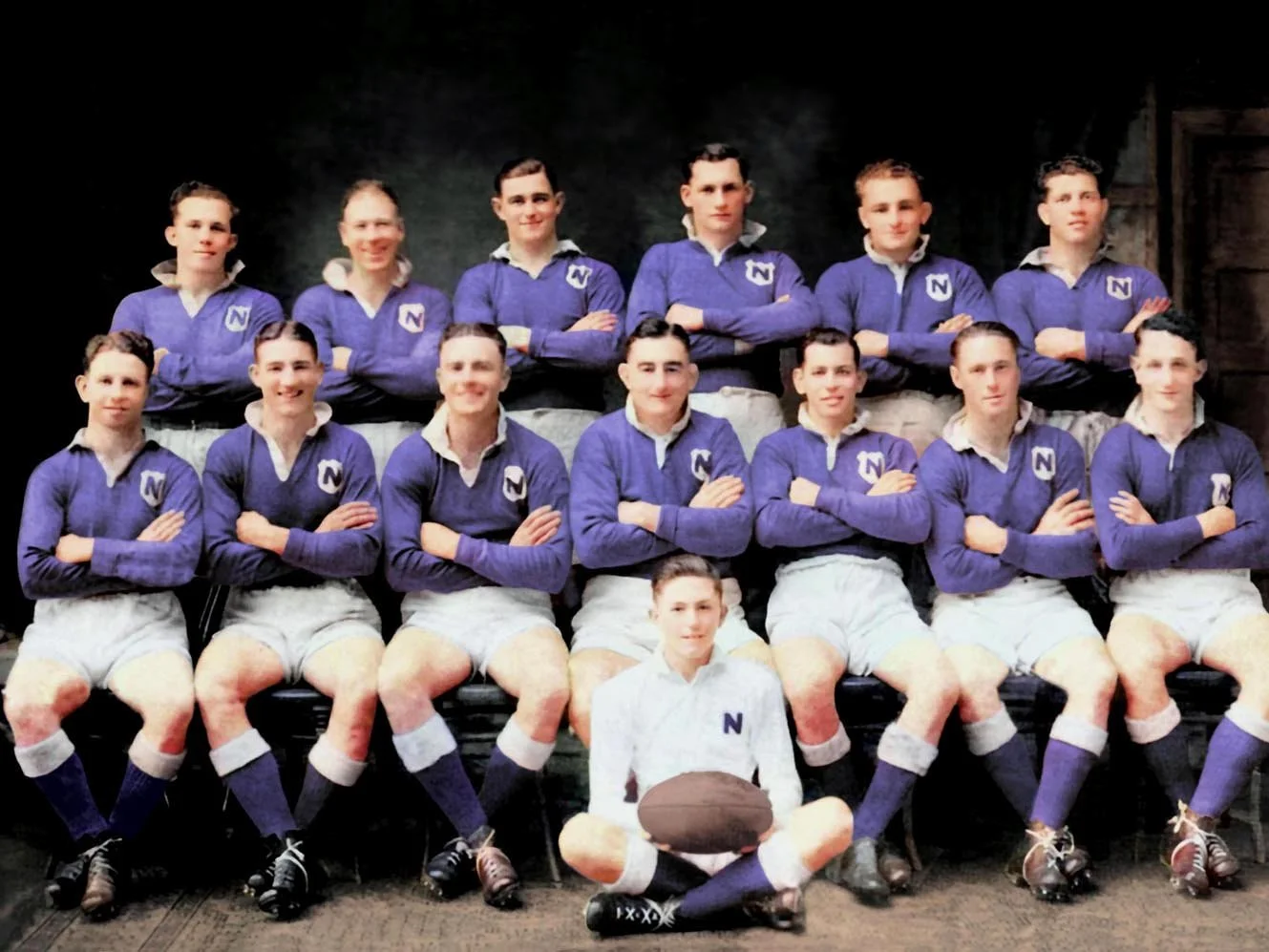
1943 – Newtown’s first grade premiership-winning team was captained by the redoubtable Frank “Bumper” Farrell. Farrell was named as captain of Newtown’s Team of the Century at the club’s Centenary Dinner in July 2008.
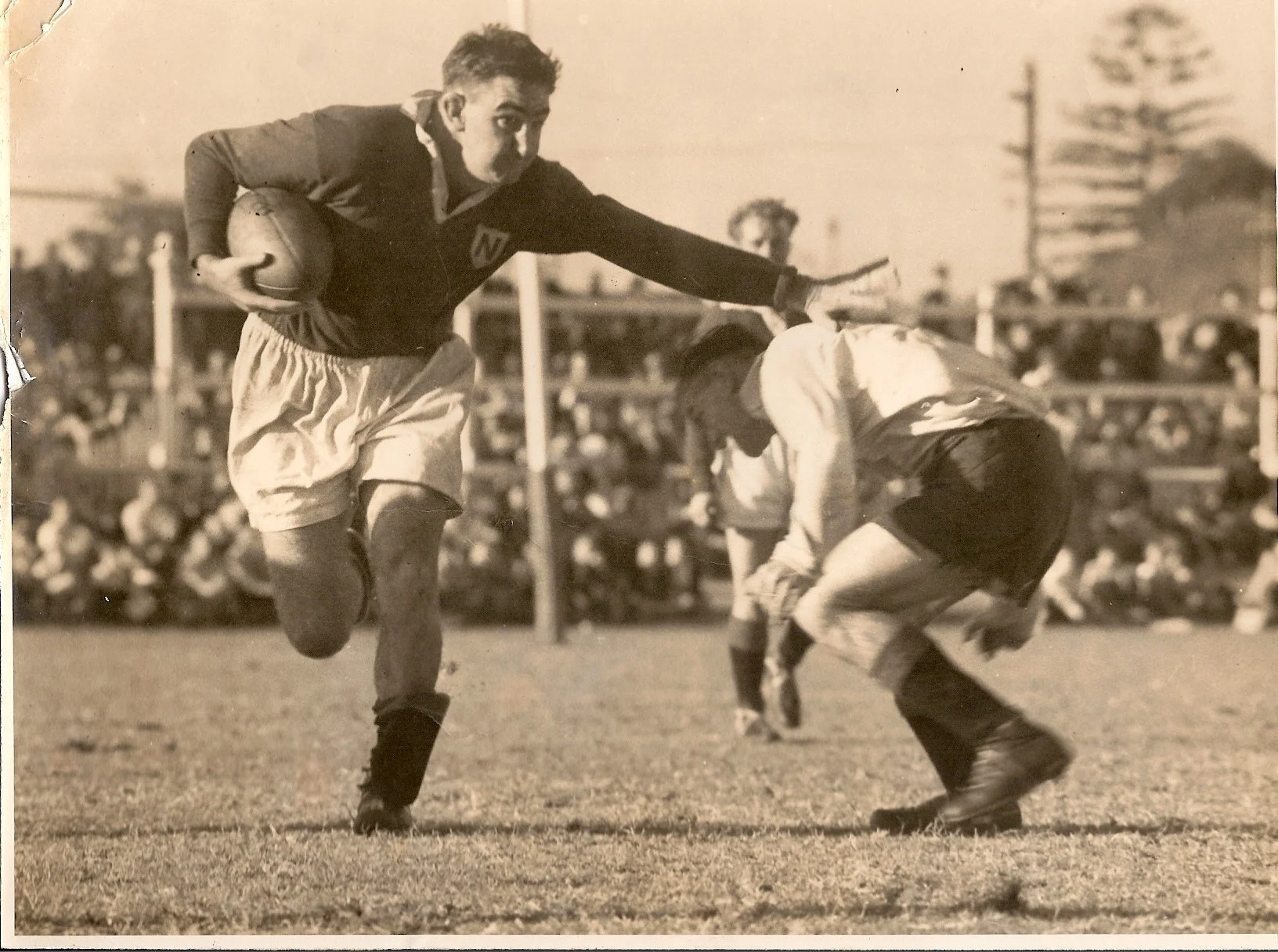
1948 – Frank “Bumper” Farrell was without doubt one of the most colourful identities in the long history of the Newtown Rugby League Football Club. Farrell, a rugged and uncompromising front-rower of the old school, served the Bluebags well as a player for more than 15 years and also represented NSW and Australia. He gained even greater fame as a long-serving NSW police officer and as the head of the Sydney Vice Squad, from where he entered the pages of Sydney folklore with tales of his vigorous law-enforcement exploits.
a New World – the 50’s & 60’s
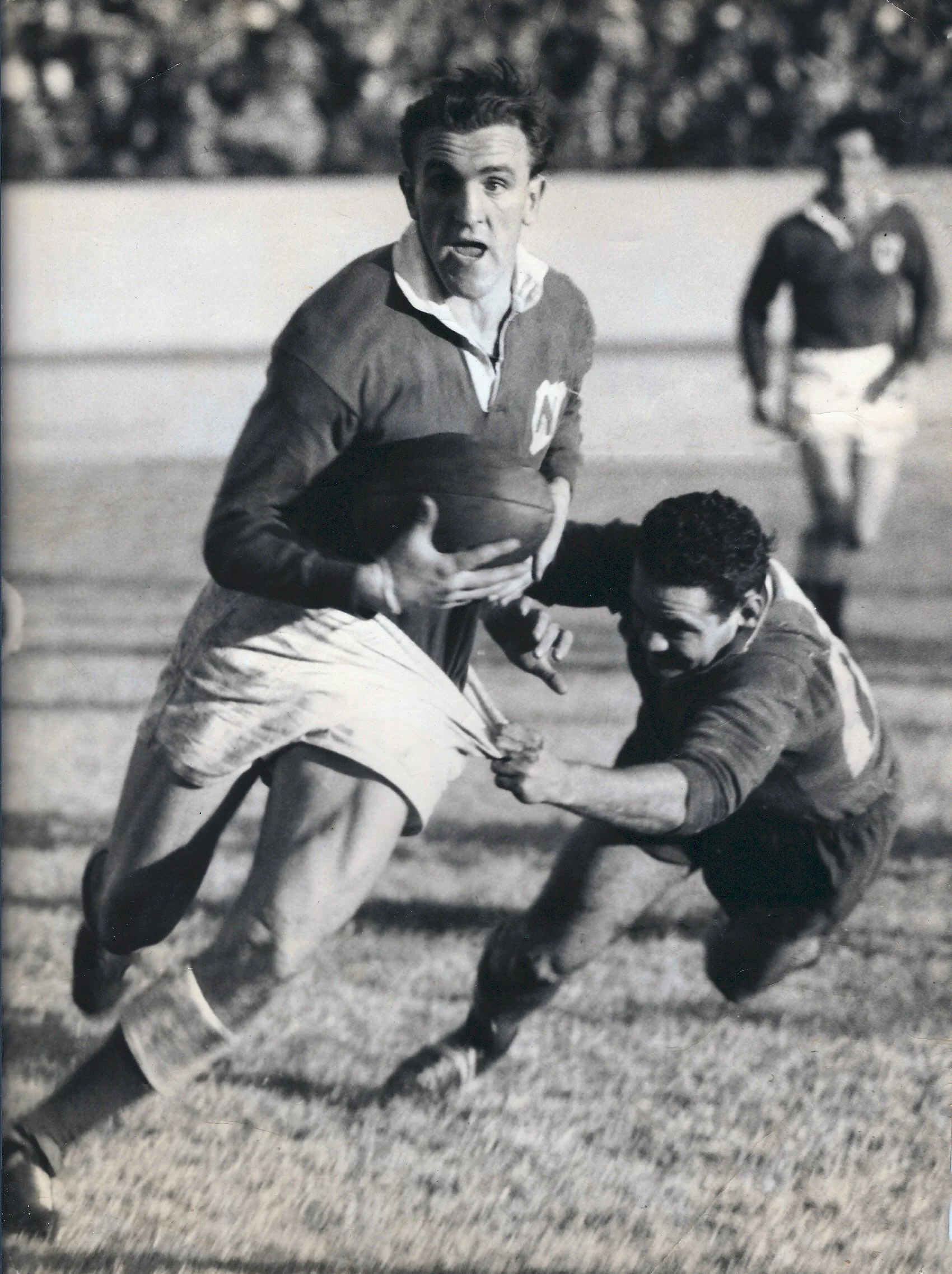
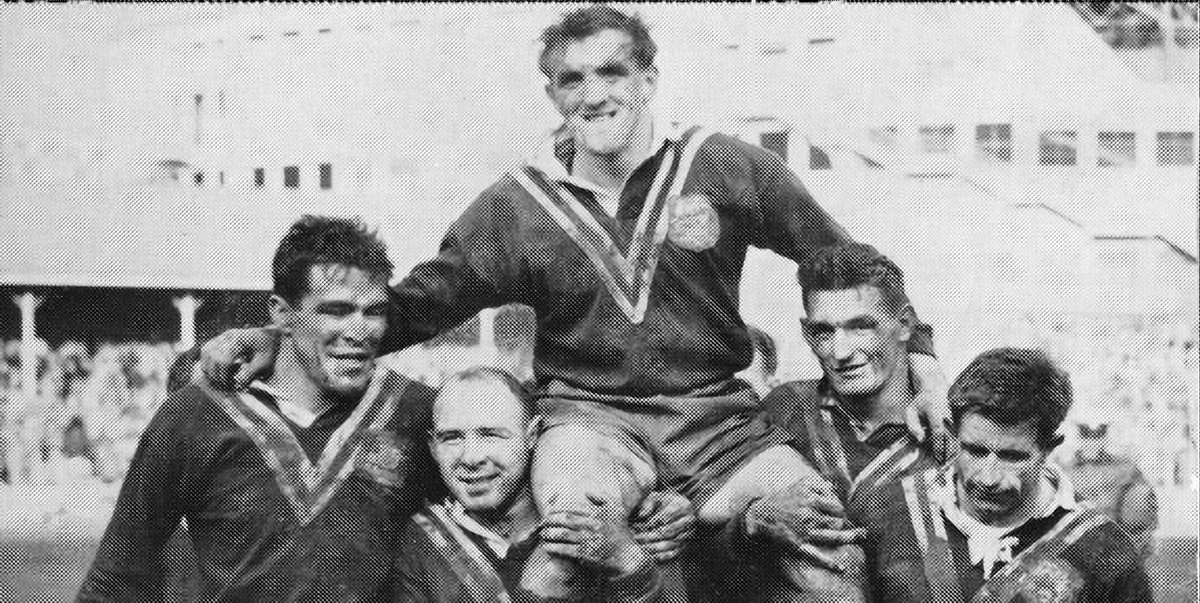
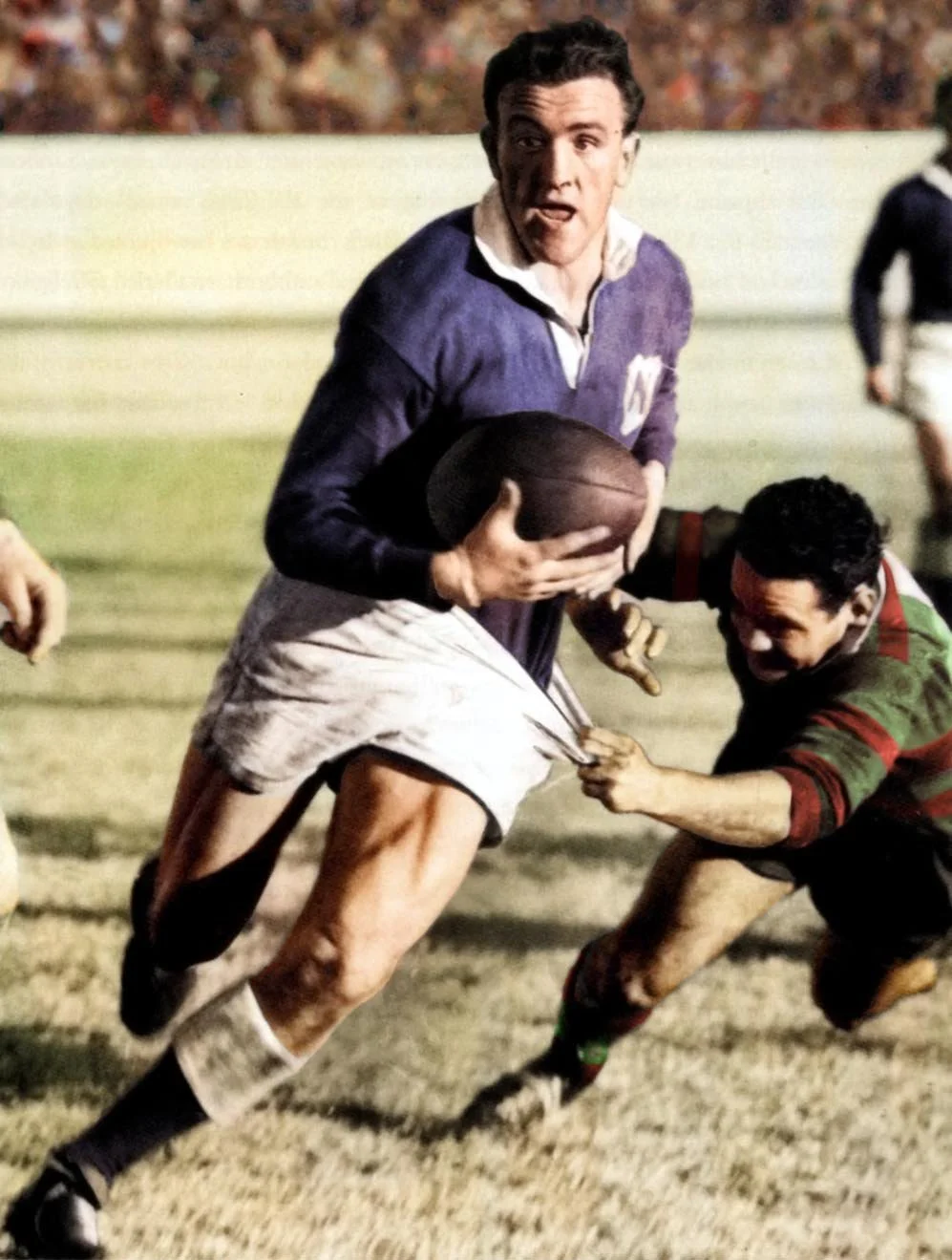
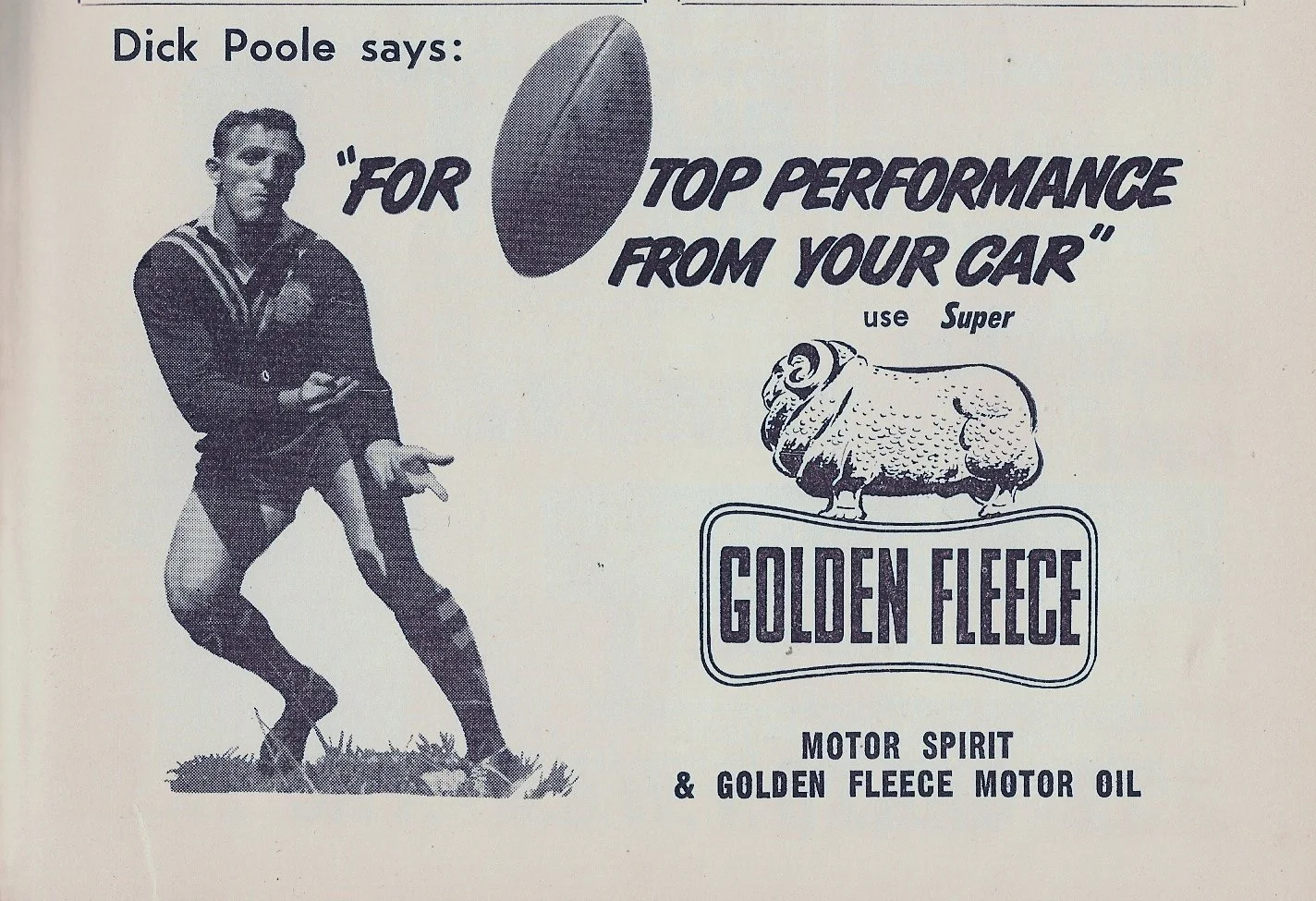
1950 – Stylish centre, Dick Poole, was captain-coach of both Newtown and Australia in his successful playing career that extended over thirteen seasons.
1954 – The Grand Final was the first of two successive losses to the South Sydney Rabbitohs. The Bluebags lost the 1954 decider by 23-12 and then in a real heart-breaker went down 12-11 in the 1955 Grand Final.
1955 – If you wanted pathos 1955 was the year! Newtown had won the first grade minor premiership and went into the Grand Final as favourites. South Sydney grabbed a 12-11 lead late in the game and the Bluebags narrowly missed a last-minute penalty goal attempt.
1955 – Dick Poole was captain-coach of the Bluebags team that went down to Souths, 12-11, in the 1955 grand final.
1956 – The victorious Newtown Bluebags President’s Cup team had one player in its ranks who was to achieve Rugby League immortality – the great John Raper. Raper represented NSW Colts against Great Britain in 1958 while still playing with Newtown, and was immediately identified by the legendary British forward Vince Karalius as a champion of the future.
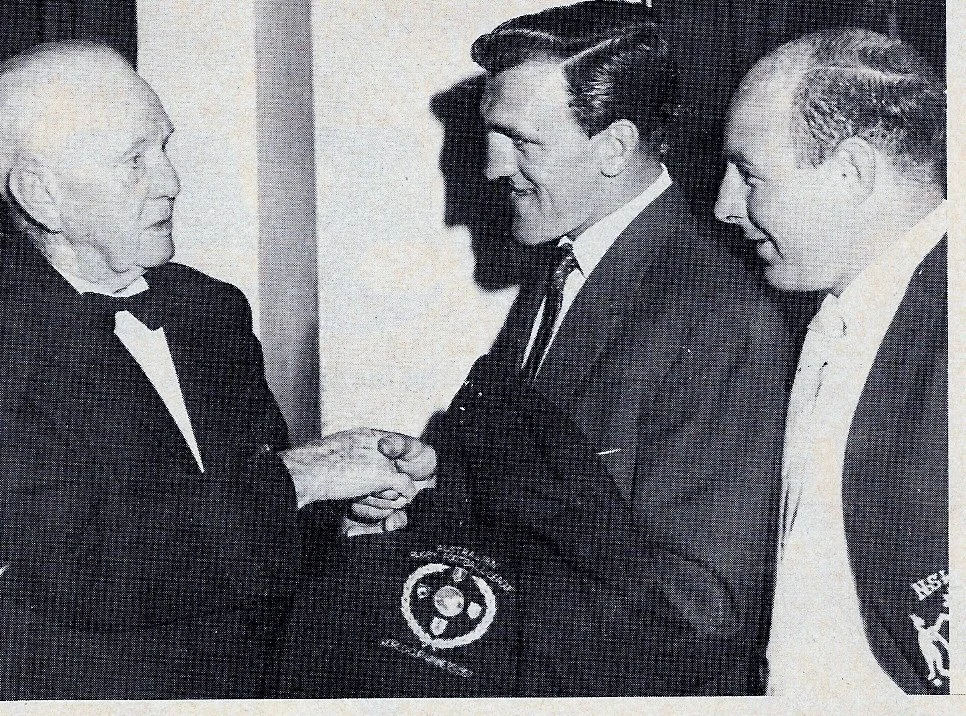
1957 – Harry “Jersey” Flegg presented Dick Poole and Brian Clay with their 1957 World Cup Australian blazers.
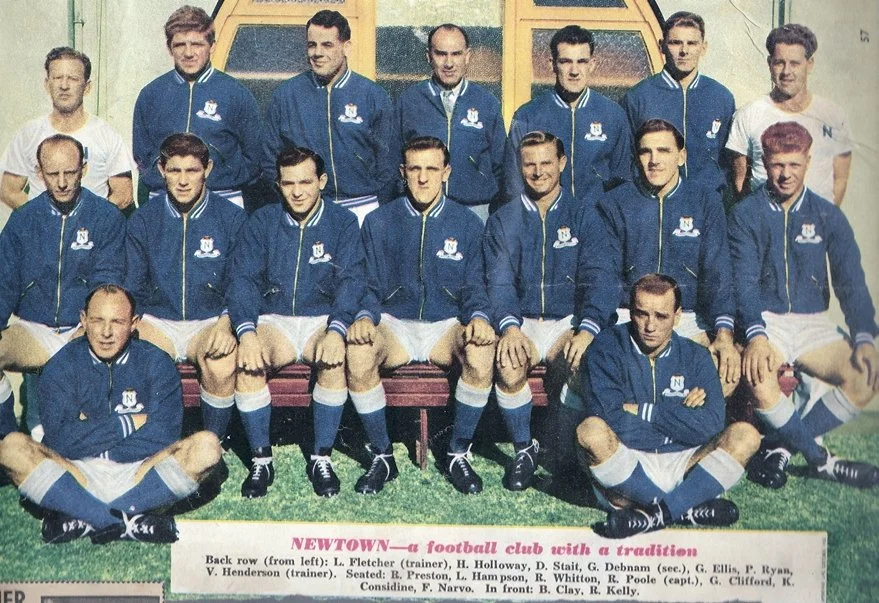
1958 – This year saw some of Newtown’s finest play for NSW against the visiting Great Britain team. Gordon Clifford was later named Fullback in Newtown’s Team of the Century.
1958 – John Raper, the man rated by Frank Hyde as the greatest player he had ever seen. Raper played with Newtown from 1956-58 before transferring to St George and a stellar career.
1966 – Great Britain’s mercurial halfback, Alex Murphy, wore a Newtown jersey on the front-cover of his 1966 autobiography.
1969 – Harry Bath coached Newtown from 1969 to 1972.
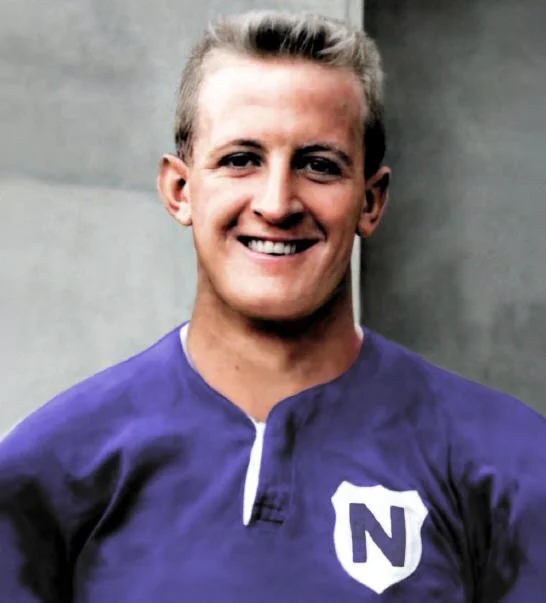
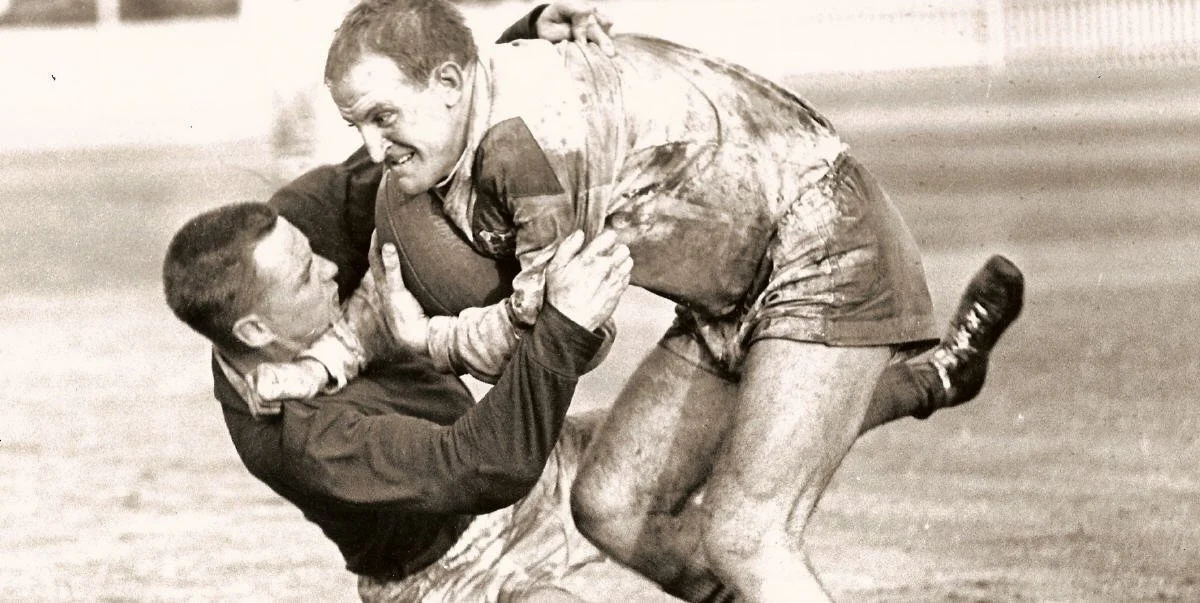
The Jets Arrive – 1970-1983
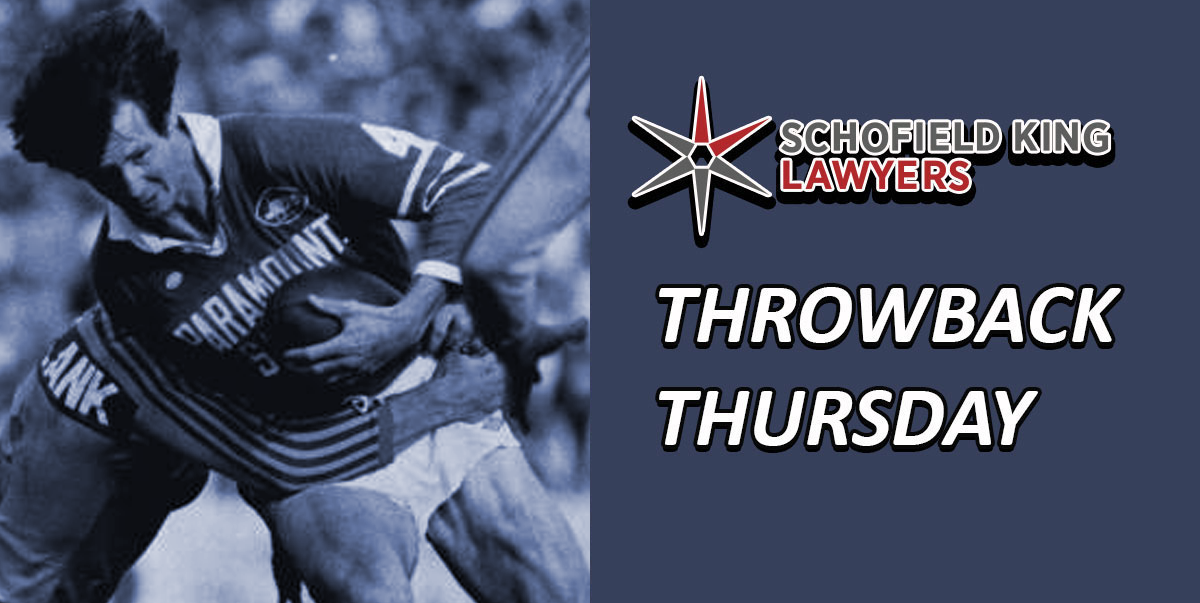
1970 – Brian “Chicka” Moore is unquestionably one of the great names of the Newtown RLFC century.
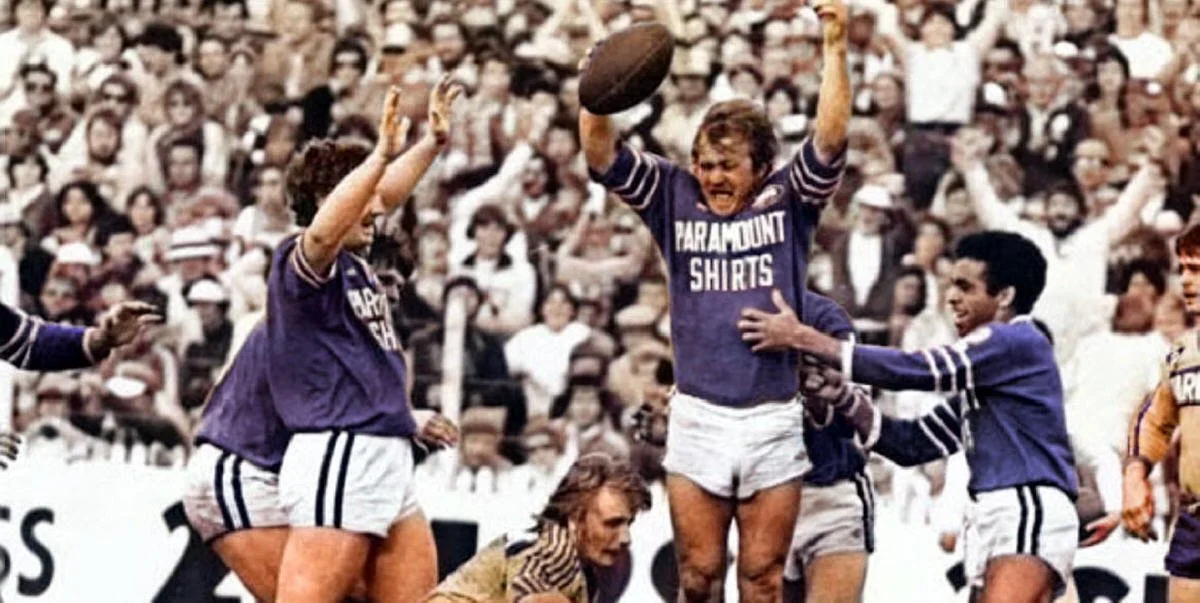
1973 – A special year for the Newtown club. Newtown made the semi-finals in all three grades and adopted the official nickname of the Jets. Ken Wilson kicked the history-making field goal.
1973 – Newtown won the NSW Rugby League Club Championship, the pre-season competition final, and the Wills Cup.
1973 – “Jack’s Jets” – Jack Gibson coached the club to its finest achievements.
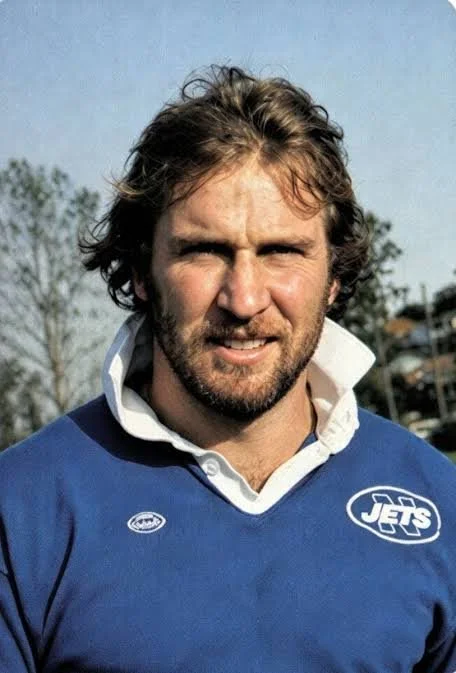
1977 – American NFL player Manfred Moore had a short-lived but spectacular stint with Newtown.
1980 — Geoff Bugden, a Newtown Juniors product, played first grade from 1979 to 1981 and won the Rothmans Medal in 1980.
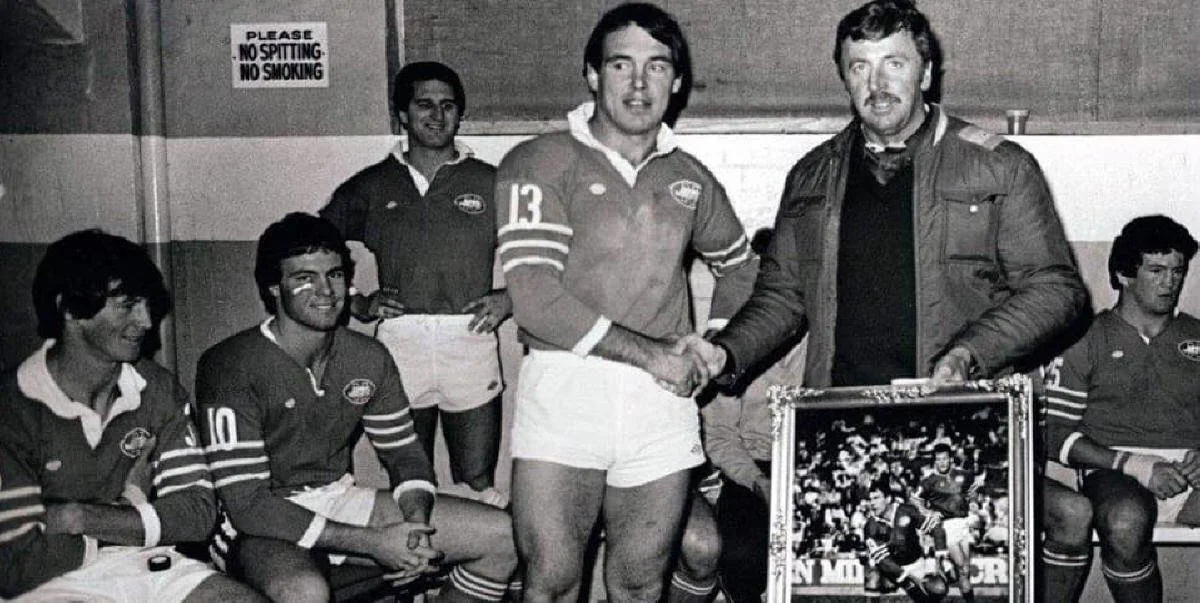
1980 – Newtown Jets first graders Phil Sigsworth, Peter Ryan, Craig Ellis, John Mackay and Mick Pitman captured the spirit of the era.
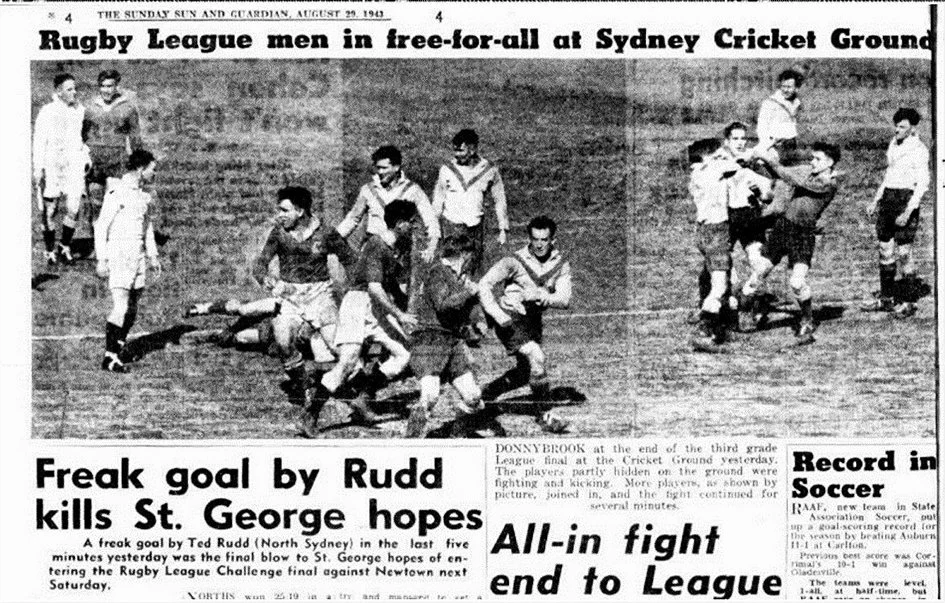
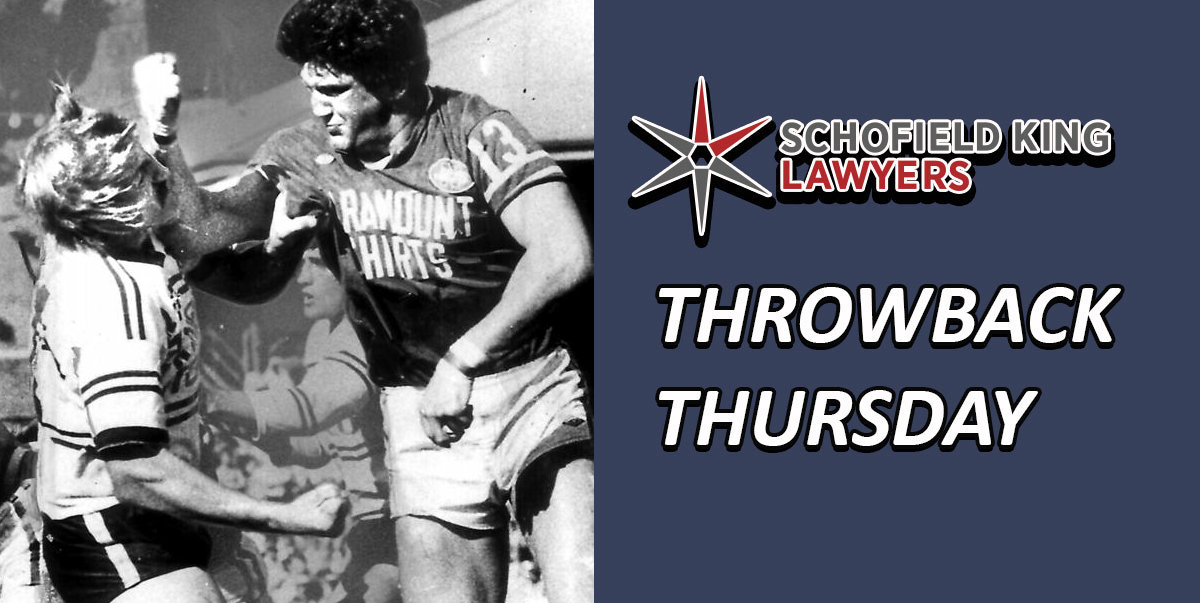
1981 – The elimination semi-final between Newtown and Manly-Warringah at the SCG is remembered for the notorious all-in brawl between Steve Bowden and Mark Broadhurst.
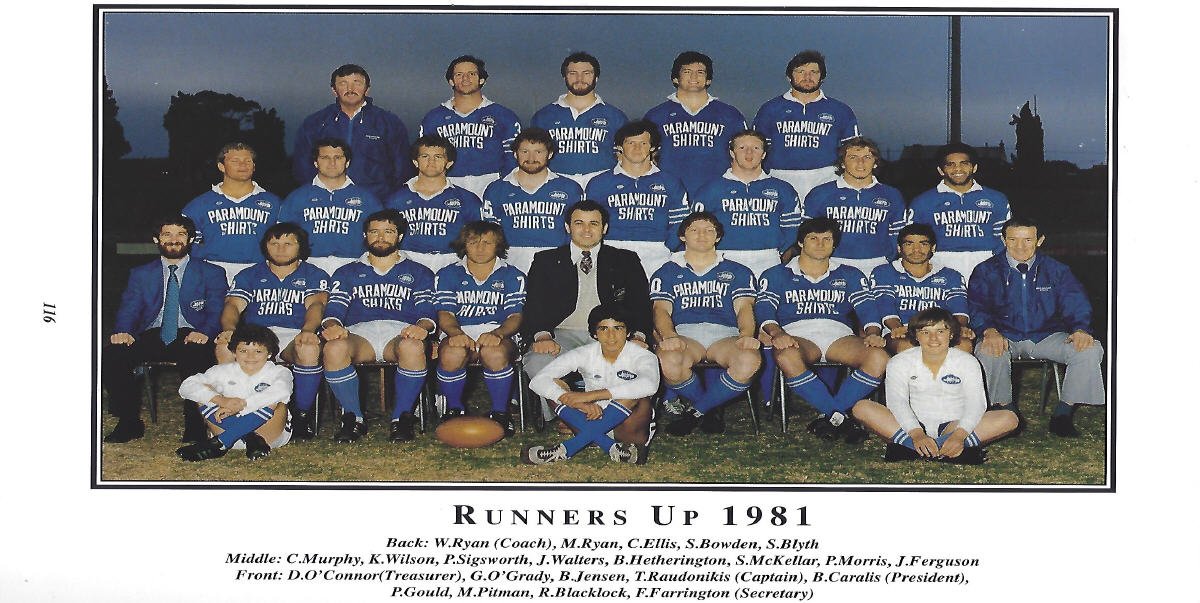
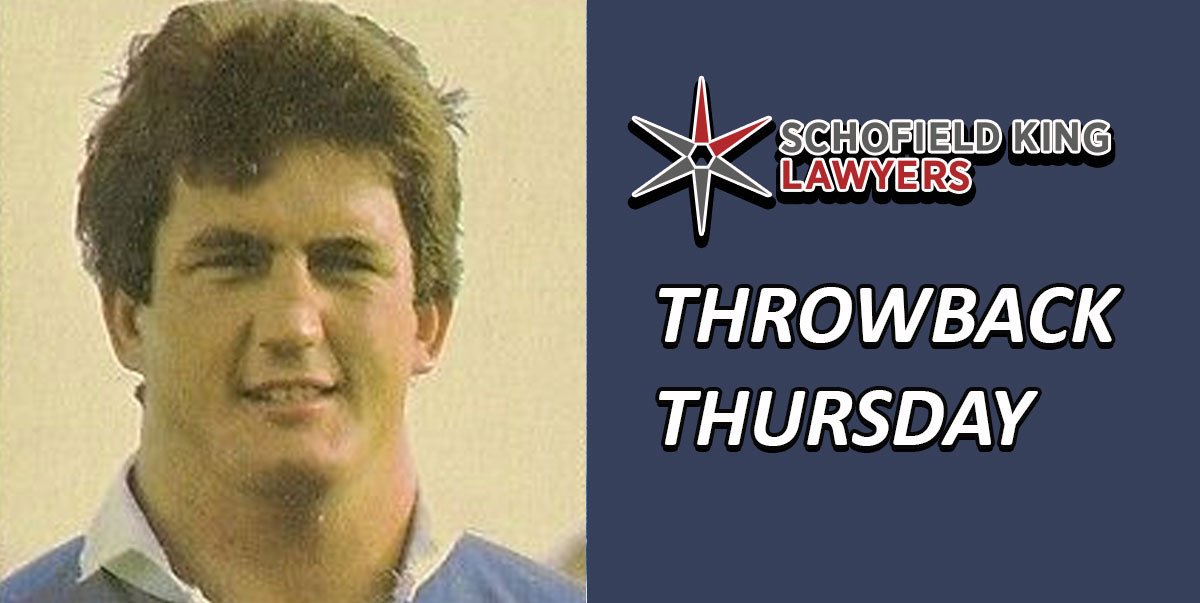
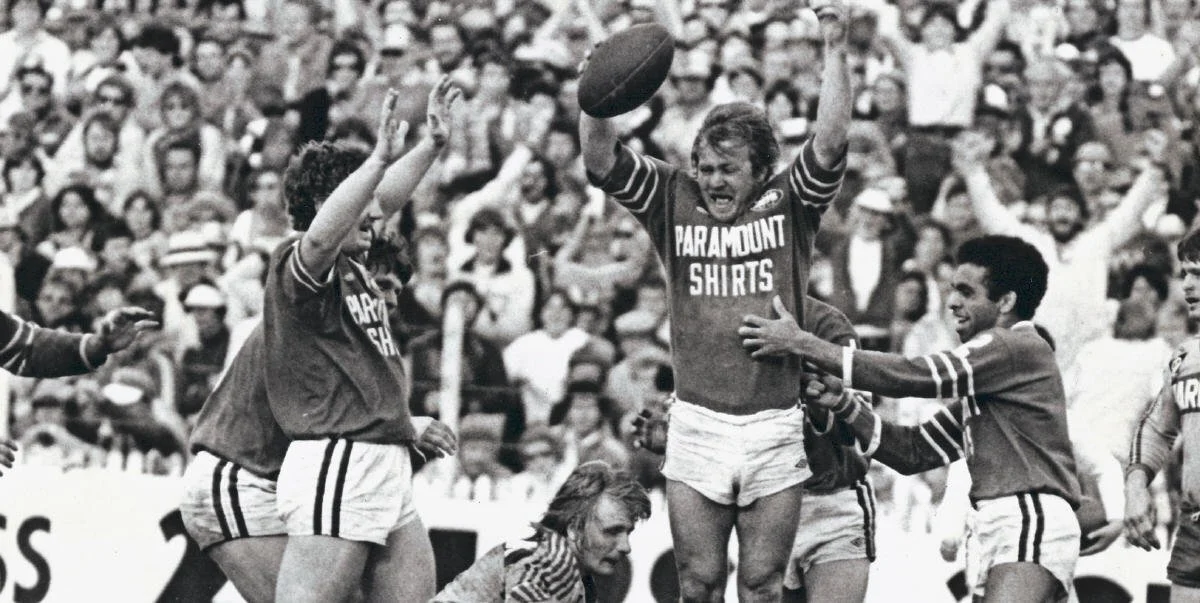
1981 – Phil Gould joined Newtown in 1981 under coach Warren Ryan. Newtown made the Grand Final against Parramatta, remembered as the “Battle of the Battlers.”
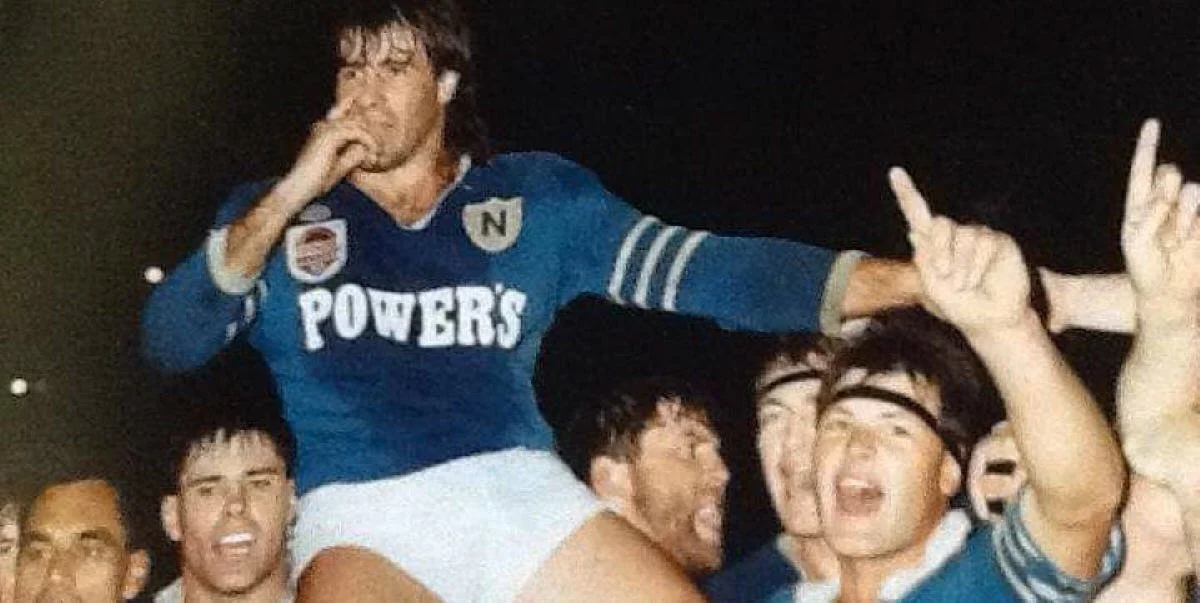
1981 – Tom Raudonikis was signed from Western Suburbs in 1979. He led the Jets to the 1981 Grand Final and was later named Newtown’s greatest ever imported player.
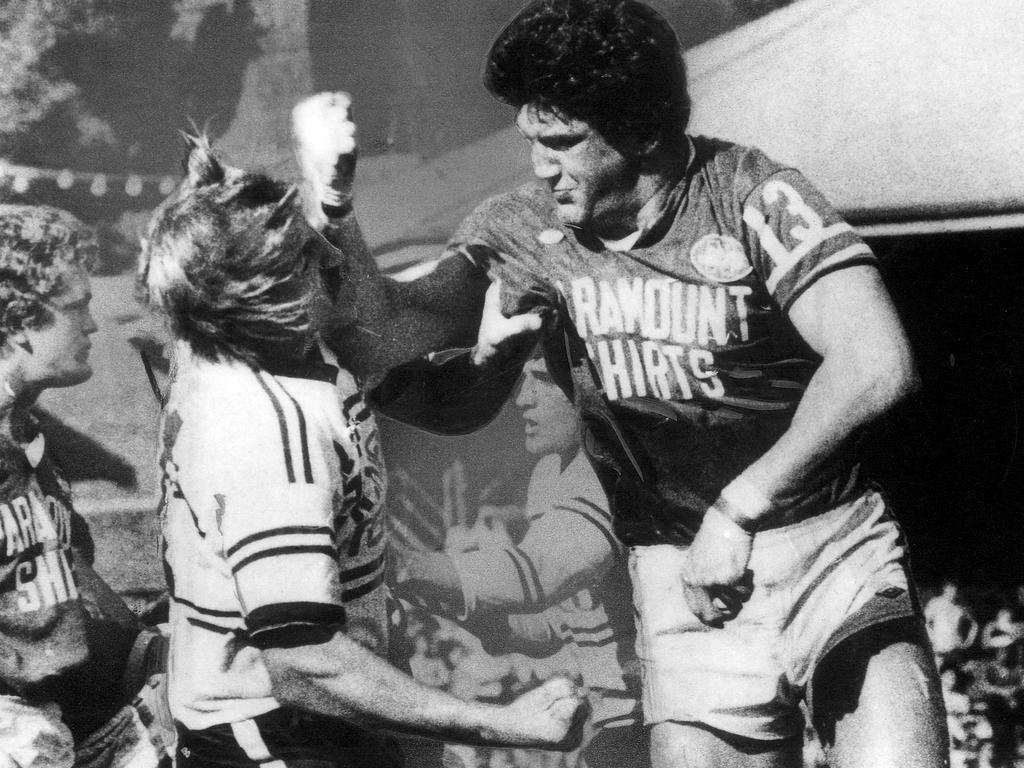
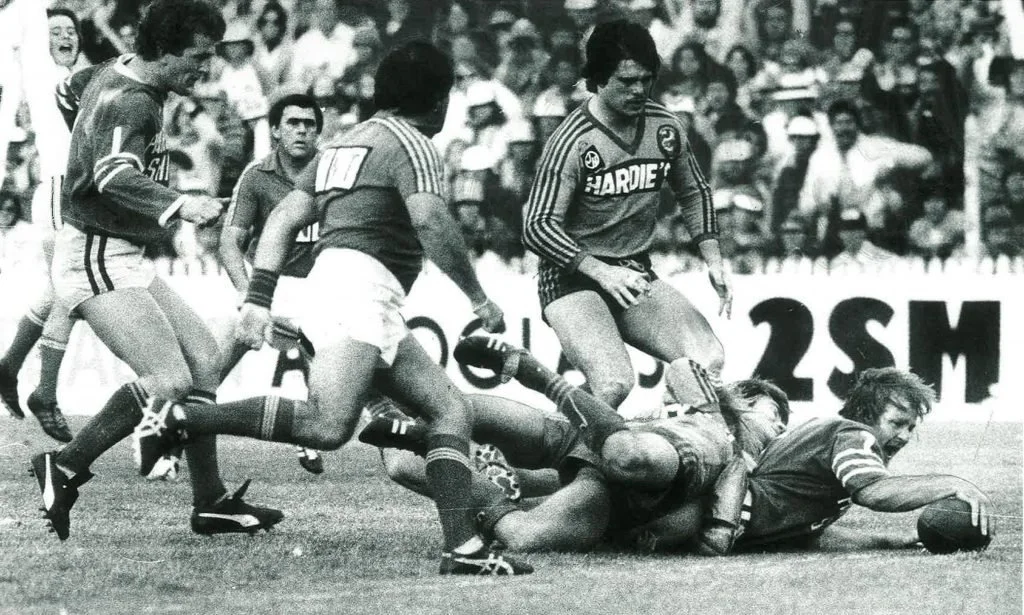
a decade of struggle — 1982-1991
1982 – Newtown struggled to maintain its previous year’s momentum, missing the finals as a deep recession worsened the club’s financial position
1983 – As a show of commitment to new territory, the Jets played five home games at Campbelltown and won their final NSWRL match 9–6 against the Canberra Raiders . Despite these efforts, mounting debts saw Newtown expelled from the premiership at season’s end.
1984 – For the first time since 1908, Newtown fielded no first-grade team, remaining active only via junior competitions as the club fought to stay alive off the field.
1985 – A planned NSWRL re-entry by relocating to Orana Park in Campbelltown (as the Newtown-Campbelltown Jets) collapsed when the club failed to sell its Stanmore leagues club to raise the necessary funds during the economic downturn.
1986 – Newtown remained absent from the NSWRL premiership for a third straight season, surviving only as a community club and keeping hopes of a top-grade return alive.
1988 – The Jets sold their Newtown leagues club premises to alleviate debt; however, by the time of this sale the opportunity for NSWRL readmission had passed.
1989 – The club endured a sixth year in exile from top-grade football, but Newtown’s loyal supporters and officials continued to sustain the organisation in hopes of an eventual revival.
1990 – While Newtown still had no first-grade side, the NSWRL’s introduction of a new Metropolitan Cup (second-tier competition) provided a pathway for the Jets to return to the field after years on the sidelines.
Back to Life – 1991 to 2000
1991 – Newtown returned to open-age competition by entering the NSWRL Metropolitan Cup, marking the club’s rebirth after years out of the premiership.The Jets re-established their community identity, playing home games at Henson Park and rebuilding a competitive roster.
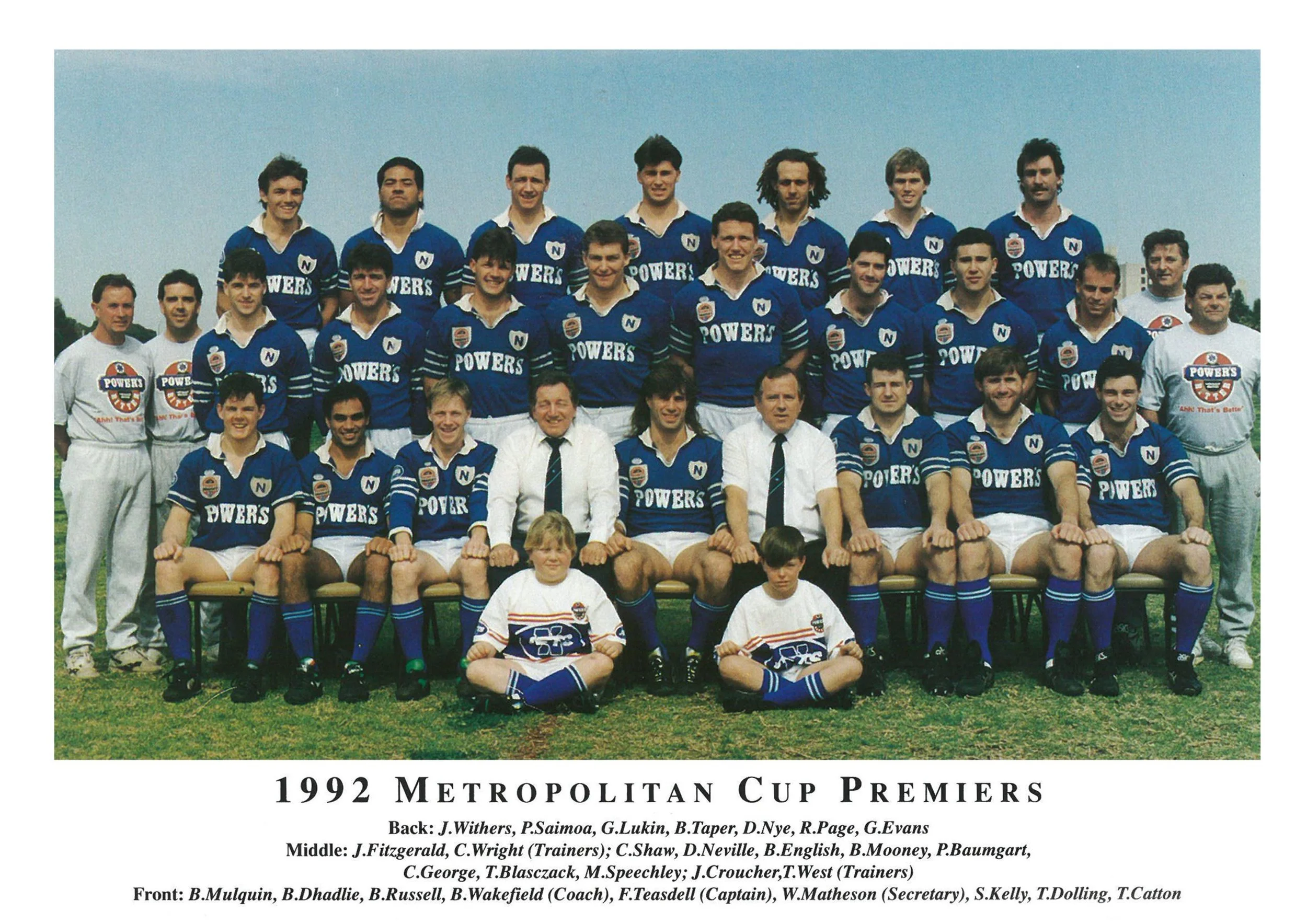
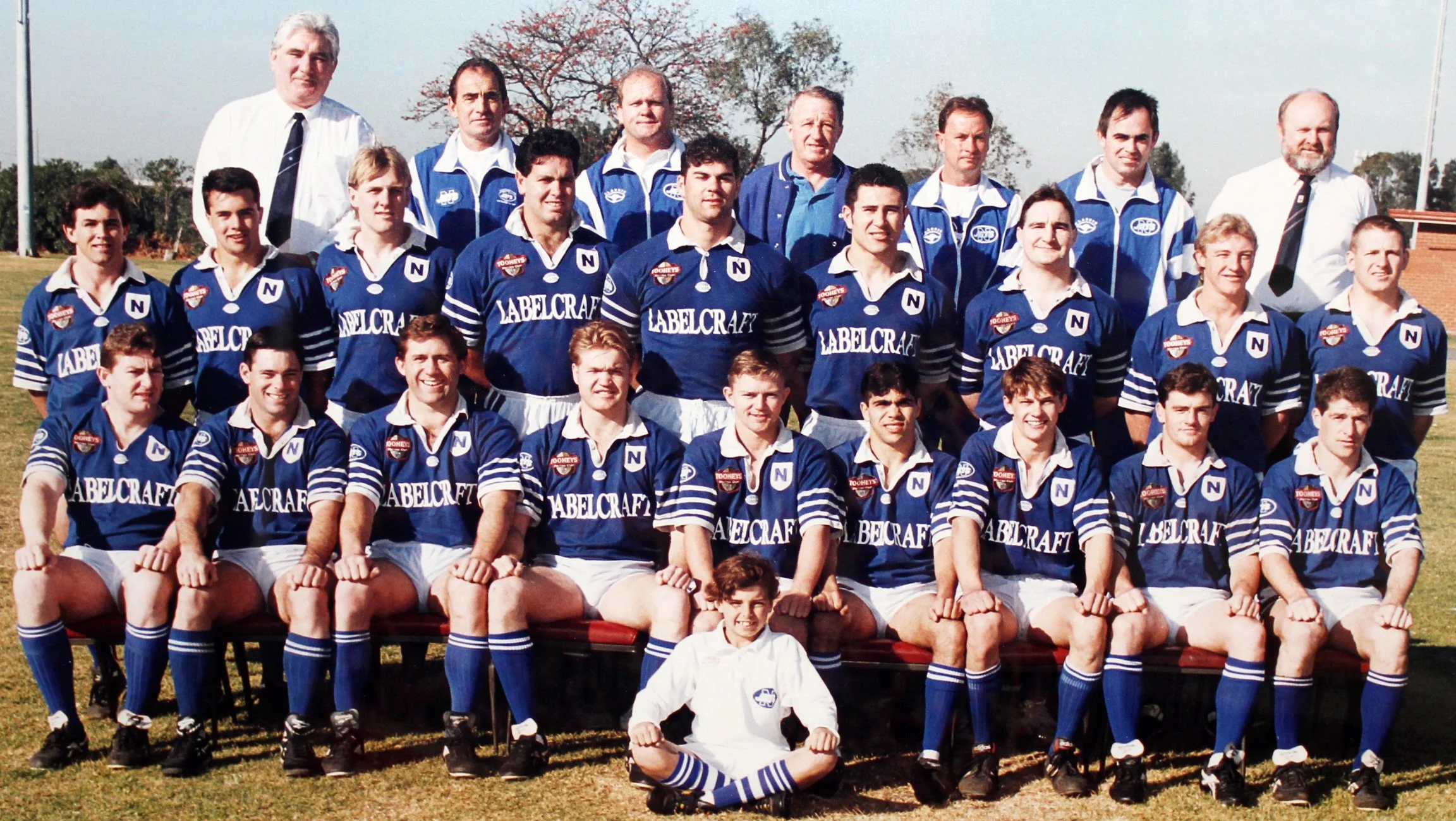
1992 – Newtown won the Metropolitan Cup Premiership, their first major trophy since the 1970s revival era. The squad featured a tough forward pack and a new generation of Jets players who redefined the club for the modern era.
1993 – The Jets consolidated their position in the competition, developing strong local support and building stability on and off the field.
1994 – Newtown continued to strengthen their pathways and recruitment, laying the foundations for a dominant mid-90s period.
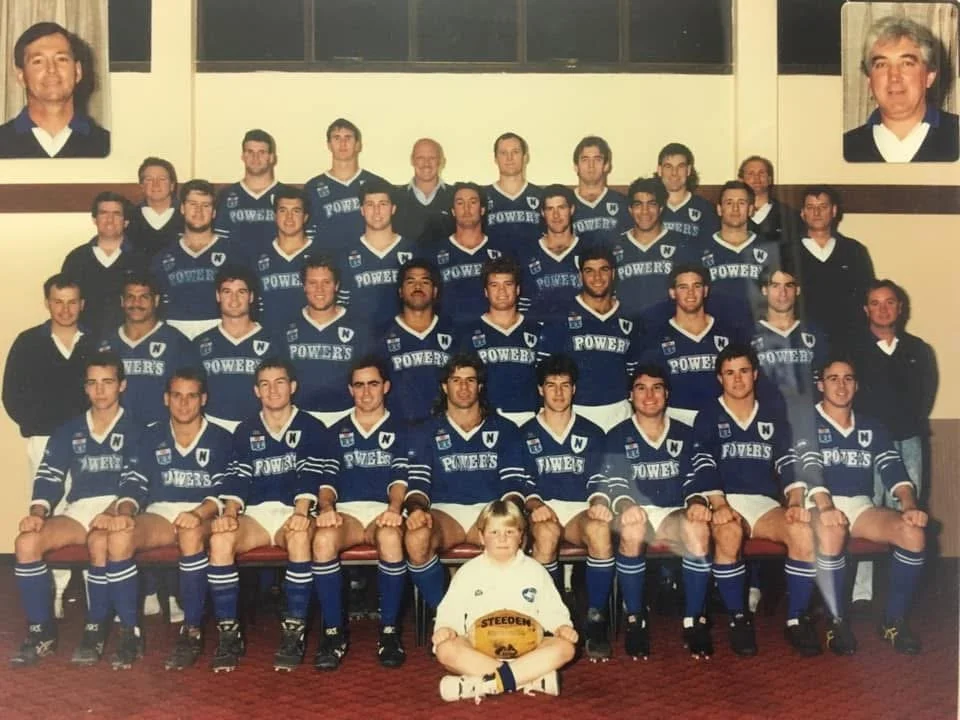
1995 – Newtown claimed their second Metropolitan Cup Premiership, showcasing an emerging winning culture.
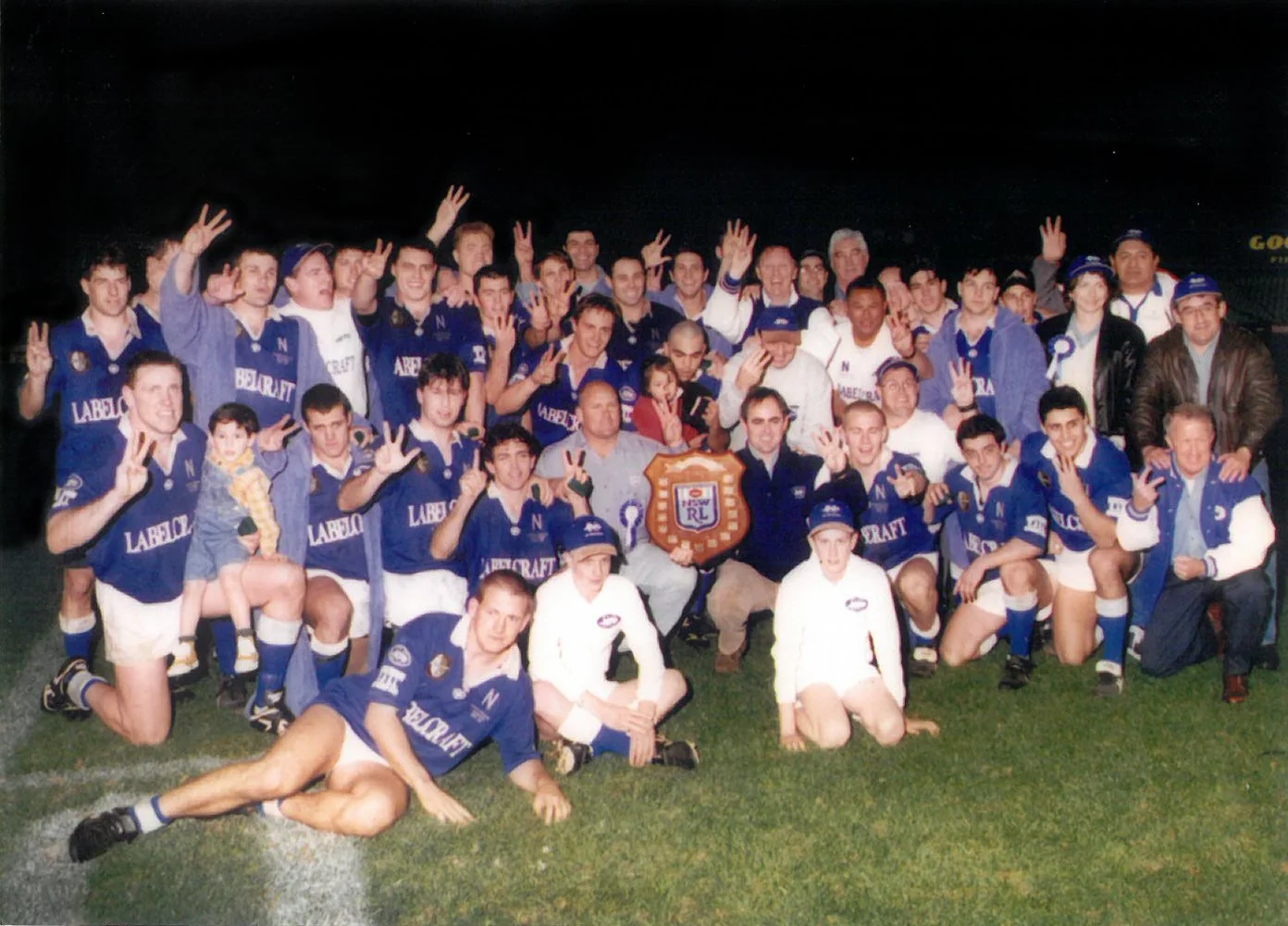
1996 – The Jets went back-to-back, winning the 1996 Metropolitan Cup Premiership
1997 – A golden era for the club was confirmed when Newtown secured the 1997 Metropolitan Cup Premiership, completing three titles in a row and four in six years.
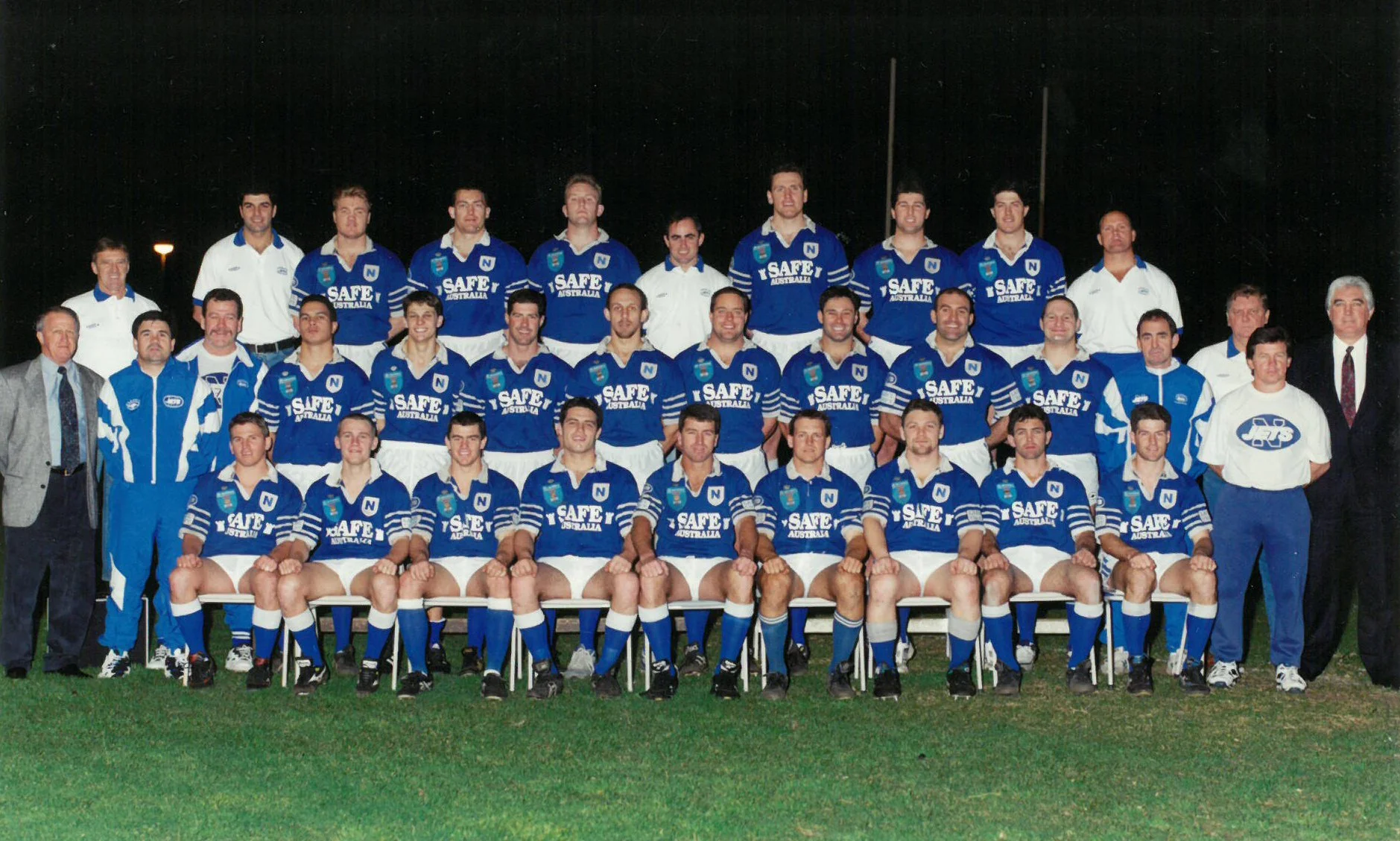
1999 – Newtown prepared for a major step upward, strengthening administration and football operations as the club pushed for higher-level competition.
a New Foundation – 2000 Onwards
2000 – The Jets were accepted into the NSW Rugby League First Division (later NSW Cup), officially returning Newtown to the mainstream senior rugby league structure.
2000 – The move marked the beginning of a new century of Jets football, reconnecting the club with state-level competition for the first time since 1983.
2004 - Five former Newtown coaches gathered at Henson Park: Brian Moore, Jack Gibson, Clarrie Jeffreys, Warren Ryan, and Dick Poole.
2005- The Newtown Jets VB Premier League team of 2005 with the Frank Hyde Shield.
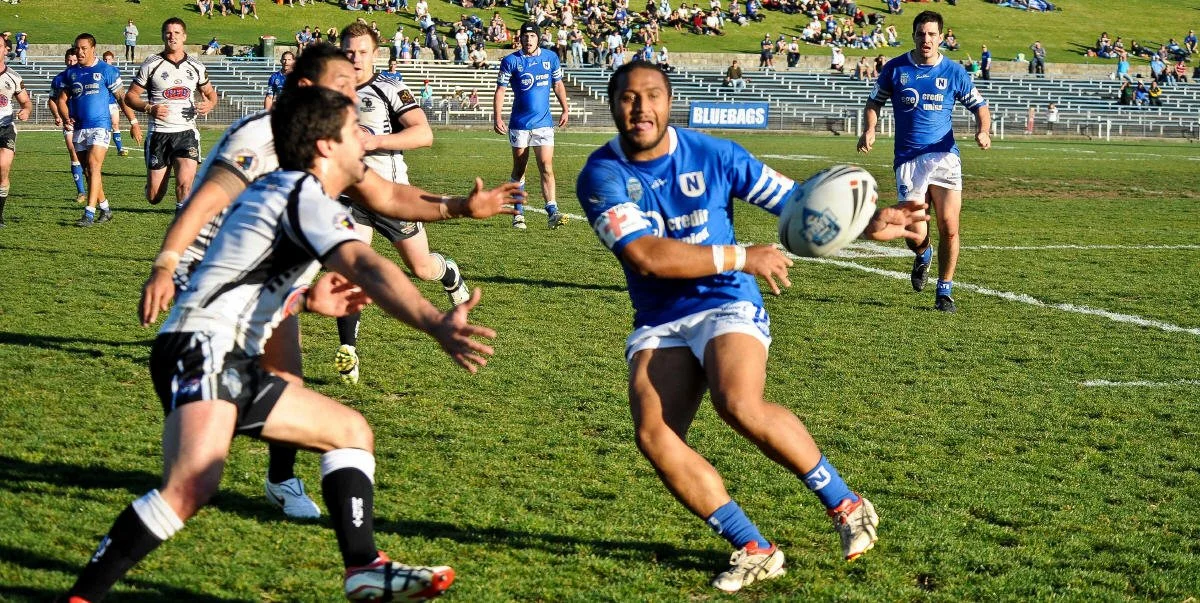
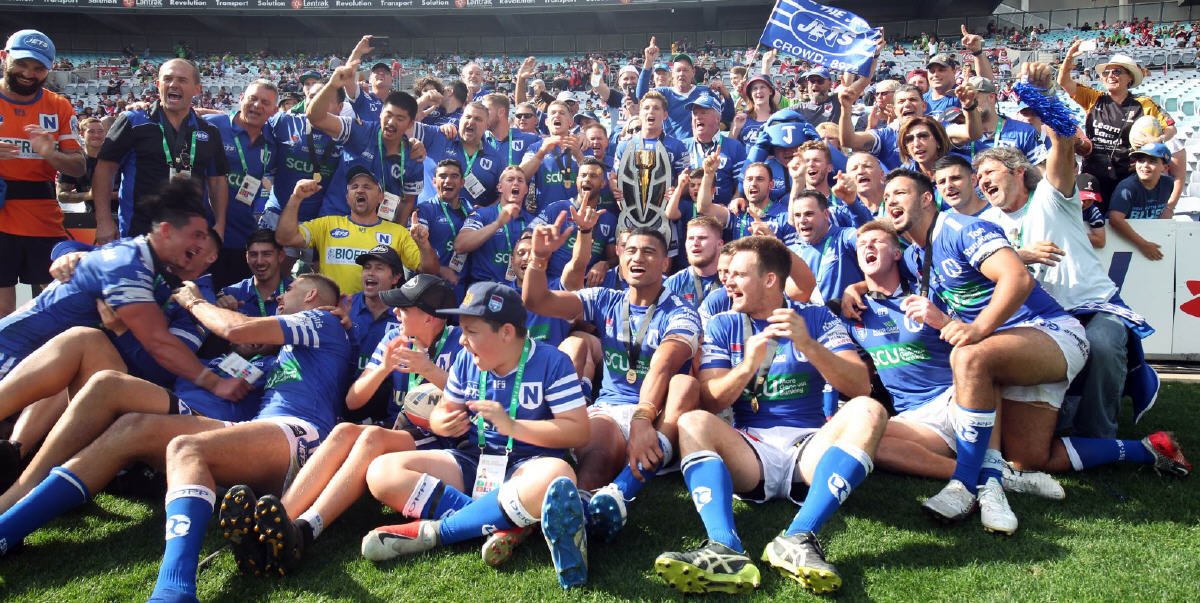
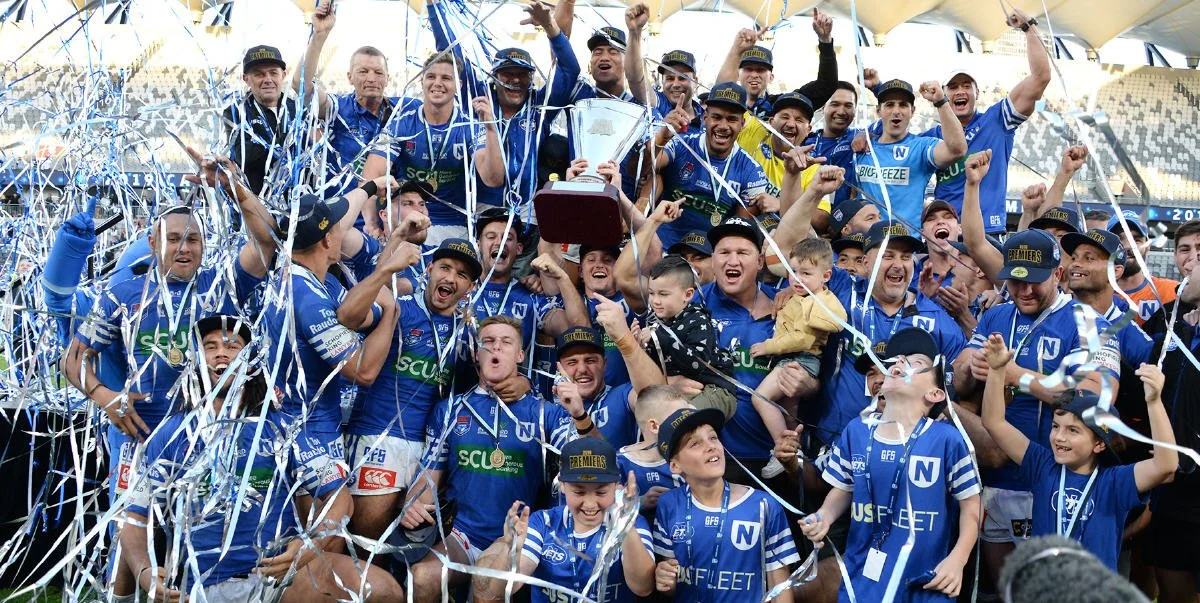
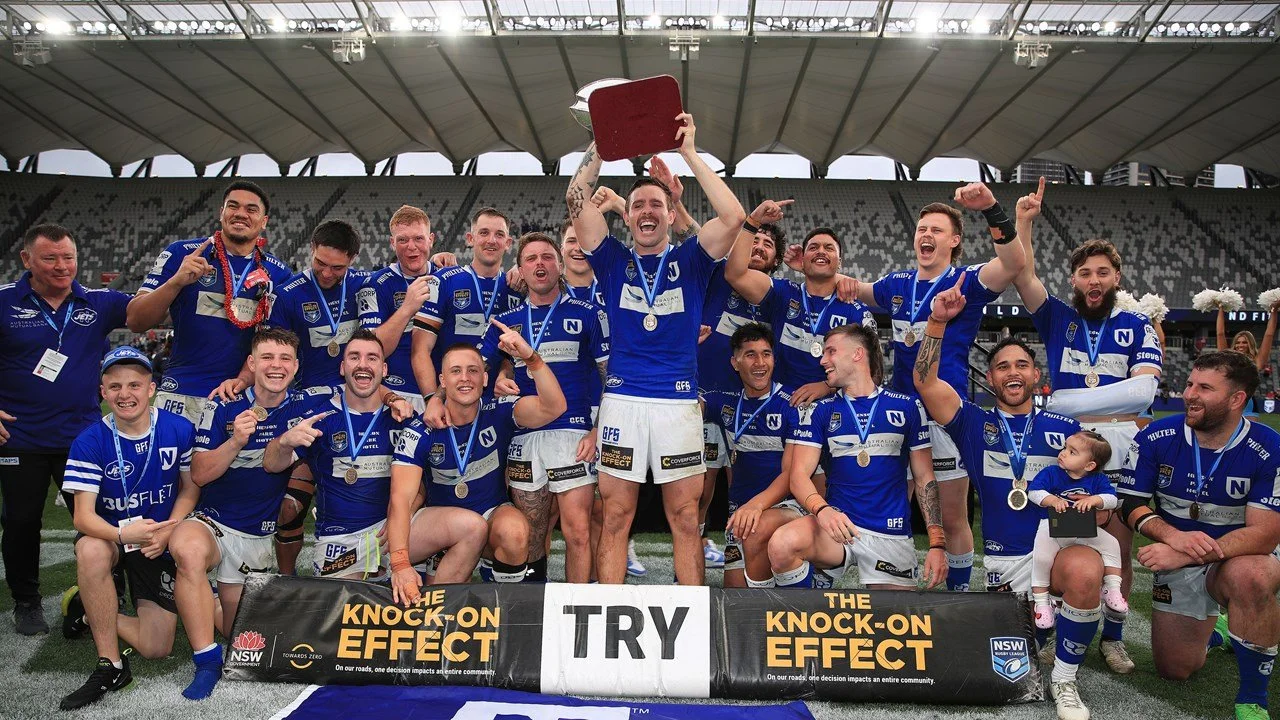
Newtown’s modern-era success has included premiership victories in 2012, 2019, and 2024, along with grand final appearances in 2006, 2008, and 2018. The 2019 season was particularly memorable: after a dramatic finals run, the Jets claimed the NRL State Championship with a last-gasp 20–16 victory over Queensland Cup premiers Burleigh Bears on NRL Grand Final Day.
The 2022 campaign marked another milestone as Newtown finished Minor Premiers, a testament to their consistency and depth following two pandemic-disrupted seasons. In 2024, the Jets once again rose to the top, being crowned NSW Cup Premiers, reaffirming their enduring competitiveness and the strength of their development system.
Over the past two decades, the club has continued to foster a proud identity grounded in community spirit, heritage, and a commitment to giving players a pathway to the NRL. Through long‑standing partnerships with the Sydney Roosters (2006–2014) and Cronulla Sharks (2015–Present), and with the passionate support of our fan base at Henson Park, the Jets have built a modern legacy to match their storied past — proving that even in the professional era, Newtown still flies high.
Articles